Remembering Jim Mosher: A Legacy of Service
February 6, 2026 2026-02-06 13:57Remembering Jim Mosher: A Legacy of Service
Remembering Jim Mosher: A Legacy of Service
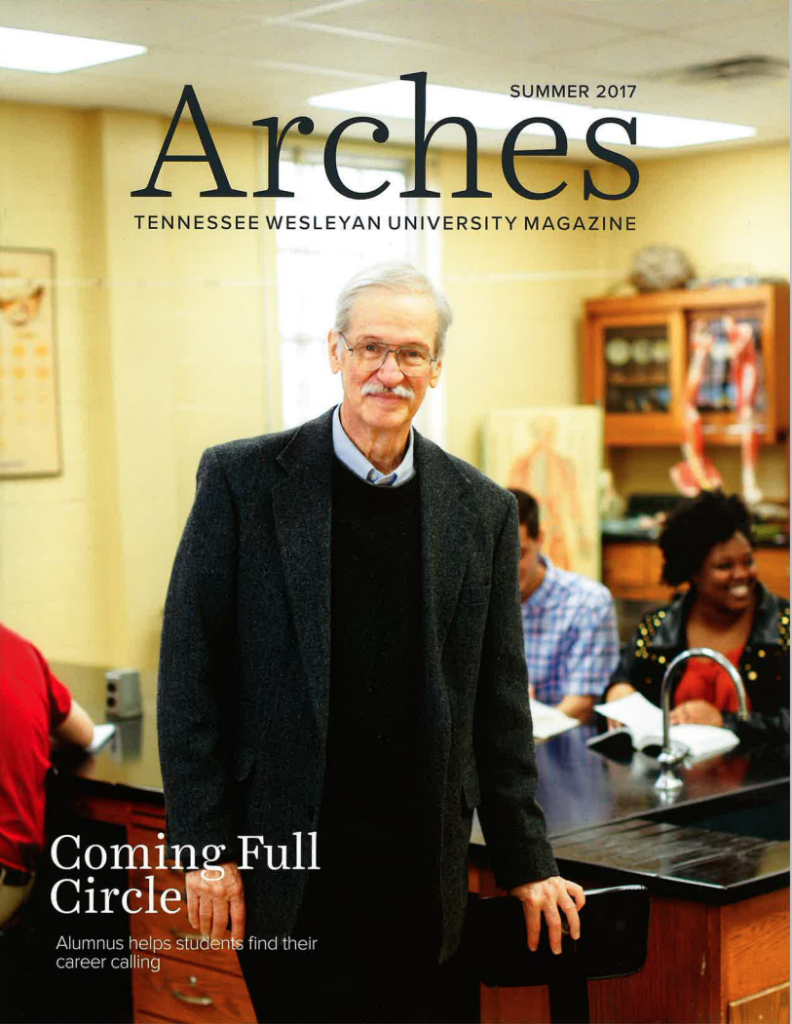
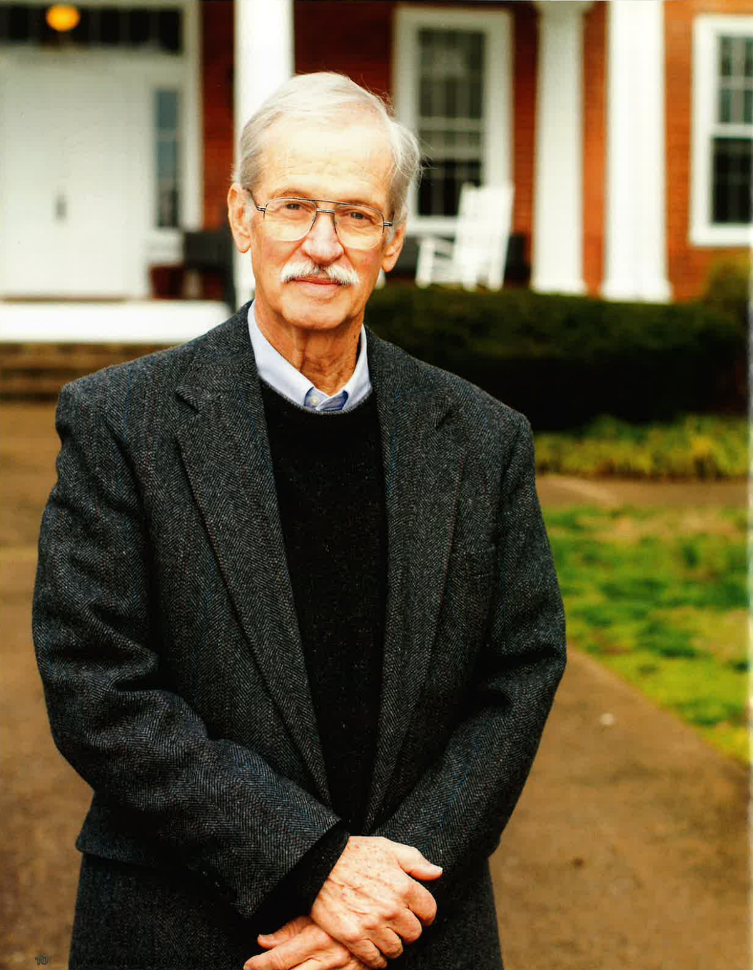 Tennessee Wesleyan alumnus Jim Mosher knows what it’s like to feel a bit lost and undirected as a college student. He started attending classes at Tennessee Wesleyan in 1963, but he was unsure what he wanted to do with his career after college. He chose his first major based on his father’s career.
“I was going to be a chemistry major,” Mosher said. “That was pretty much because my father was a chemical engineer, and I didn’t know what to list as a major. The second year at Tennessee Wesleyan, I had organic chemistry, and I realized I would never get through that.”
Mosher changed his major to history, though he knew he didn’t want to be a teacher and thus wasn’t sure where a history degree would lead him. Then, his senior year at Tennessee Wesleyan, Mosher took a class with a new religion professor: Hugh White.
“He had come to Tennessee Wesleyan from Drew University in Madison, New Jersey,” Mosher said. “He talked quite a bit in his classes about Drew, and the textbooks he used for our classes were written by Drew professors. He talked to me, and he invited me to his home for an afternoon and encouraged me to apply to Drew. So I did, and I got in.”
After graduating from Tennessee Wesleyan in 1967 with a history degree, Mosher attended Drew University, starting a Master of Divinity degree and then switching to pastoral counseling. Despite eight years of higher education and two degrees, Mosher was still unsure what career path he wanted to follow.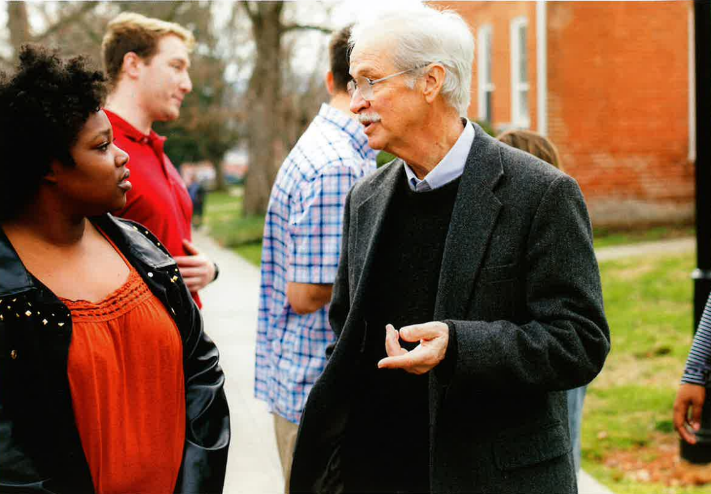
“I still wasn’t sure what I was going to do, so I simply applied for jobs,” he said. “I got a job in vocational rehabilitation, counseling disabled people in a work setting, and that became my vocation.”
Though he started that career by accident, Mosher spent the rest of his life working in vocational rehabilitation.
“That was my career, and I fell into it by accident,” he said. “As soon as I started that job, I realized that I was really where I wanted to be. I loved this job. In the early days of doing this work, I would joke with friends of mine on the weekends that I couldn’t wait until Monday morning came to get back to my job. It was that enjoyable.”
From his start as a vocational rehabilitation counselor, Mosher was promoted to a director of rehabilitation services position. He went on to become an executive director of a facility and president of the state association of executive directors. He later worked to help pass bills in the state legislature, finishing his career as an independent consultant.
“The people that we worked with were primarily disabled,” Mosher said. “What I saw immediately is once our disabled people were introduced into a work environment and they started making money, that had really profound effects on them. A lot of the negative behavior and negative attitudes changed. The people that I worked with were very grateful people. I would have parents come in and see me and want to know how their sons and daughters were doing. They always expressed so much gratitude at the work you were doing, and that was really uplifting. That made the job quite enjoyable.”
Though Mosher ended up in a career he enjoyed and excelled in, he still sometimes felt undirected, even throughout his adult life. Until he was put into leadership positions at work, he was not sure if he could lead.
“I think it’s an adage with me that I never knew what I could do vocationally until I was actually in the job and had the responsibility,” Mosher said. “I never would have guessed I could be a capable administrator until I was an administrator. I would never have believed I could have gotten a bill through the state legislature until I actually went and did it. I didn’t have that forethought.”
With the hope of providing guidance and assistance to students in situations similar to his, Mosher has pledged $$250,000 to Tennessee Wesleyan to be used in the formation of The Mosher Center.
“When I think about my four years at Tennessee Wesleyan and how I was so undirected as a student, undirected in regard to what my major was going to be and how that would at some point translate to a vocation, I was just kind of lost in that regard,” Mosher said. “I never really seriously considered dropping out, simply because I had nowhere else to go. If this center had been available when I was a student, I would have used it to a significant degree. I think I would have been over there all the time looking for some kind of guidance.”
The Mosher Center will provide career guidance and assistance choosing a major to students, while also providing workshops and support for graduate school applications, looking for internships, writing resumes and much more.
“I would hope that the center would be able to help students like me,” Mosher said. “I remember when I was at Tennessee Wesleyan, it seemed to be at the time that most of the students knew what they wanted to do with their life. It seems like most of the students I knew weren’t dealing with the things I was dealing with, except my roommate. We were just feeling our way along, with no idea where the college experience would land us.”
Mosher finished his four years at Tennessee Wesleyan without ever seriously considering dropping out. Today, Mosher knows he was lucky to have the financial and emotional support of his parents throughout college, something he knows some students do not have. He hopes the career center and the guidance it will provide will encourage students to stay in school, instead of dropping out when they feel lost of discouraged.
“One of the efforts of the center is to keep students in school and give them encouragement and support so they will keep going,” Mosher said. “Even if they’re feeling their way along as I did, that they would stay at it, that they wouldn’t give up and just go home. I saw some students, not too many, but I do remember students who dropped out, just gave up and quit.”
Despite his difficulties in choosing a major and connecting his academic life with his future career path, Mosher enjoyed being a student at Tennessee Wesleyan. He was involved on campus, living in Centennial Hall and participating in student organizations.
“I very much enjoyed campus life,” Mosher said. “I enjoyed being at Tennessee Wesleyan. I enjoyed the interaction with the other students and some of the groups I got involved with at the school. I was having a good time. I never seriously considered dropping out. That never really entered my mind. Still, I didn’t see myself going anywhere. The big surprise is now, at this point in my life, I’m actually at a point that I can help the school out, which is not something I would have imagined earlier on either.”